Moving, Downsizing & Life Transitions
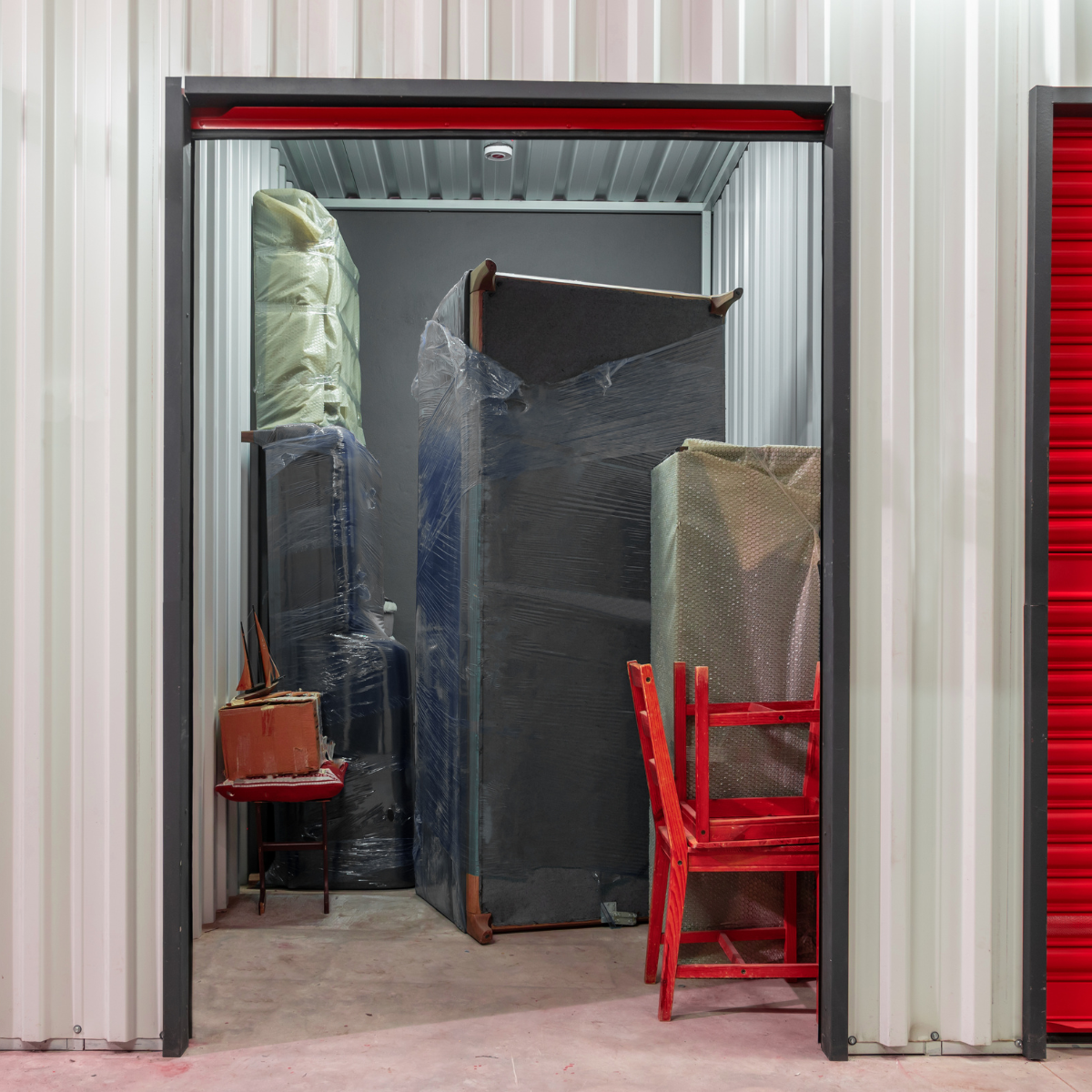
Late August in Calgary and the Lower Mainland has a rhythm to it. Storage tubs wedged into the back of an SUV, a mini fridge in the passenger footwell, somebody's mattress strapped to a roof rack. Across the country, millions of students attend Canadian colleges and universities each year, and August marks the beginning of a major transition for many families. One of them is yours.
Then the house goes quiet, and you walk past a bedroom holding eighteen years of hockey trophies, a captain's bed, three boxes of Lego, and a desk nobody has used since Grade 10.
Most advice about the empty nest transition focuses on how you feel. This guide covers what actually needs to happen in that room: how to protect the keepsakes worth keeping, where the bulky furniture goes, what size storage unit fits the job, and how to convert the space in a way you will still be happy about in two years.
What Empty Nest Storage Solves in the First Year
The strongest argument for a storage unit right now is that you keep every option open while emotions are still fresh.
Decisions made in the first September are often decisions you revisit. Your student may transfer, take a co-op term, move into a furnished shared house, or come home for a summer that stretches into a year. Many young adults also continue to live with or return to their parents during different stages of school, work, and early adulthood, making flexibility especially valuable.
A storage unit acts as a pause button. The furniture leaves your house, the room becomes usable, and the belongings stay intact until your student has the time and headspace to sort through them properly. It also removes a common source of household friction, since your kid keeps ownership of their things while you get the square footage back.
Storing Childhood Keepsakes So They Survive the Next Decade
Keepsakes fail in storage for predictable reasons. Heat speeds up chemical breakdown, damp invites mould, and ...
Maple Leaf Self Storage
August 13th, 2026