The Empty Nest Transition: Reclaiming Your Space as the Kids Head to College
The Empty Nest Transition: Reclaiming Your Space as the Kids Head to College
Moving, Downsizing & Life Transitions
Maple Leaf Self Storage
August 13th, 2026
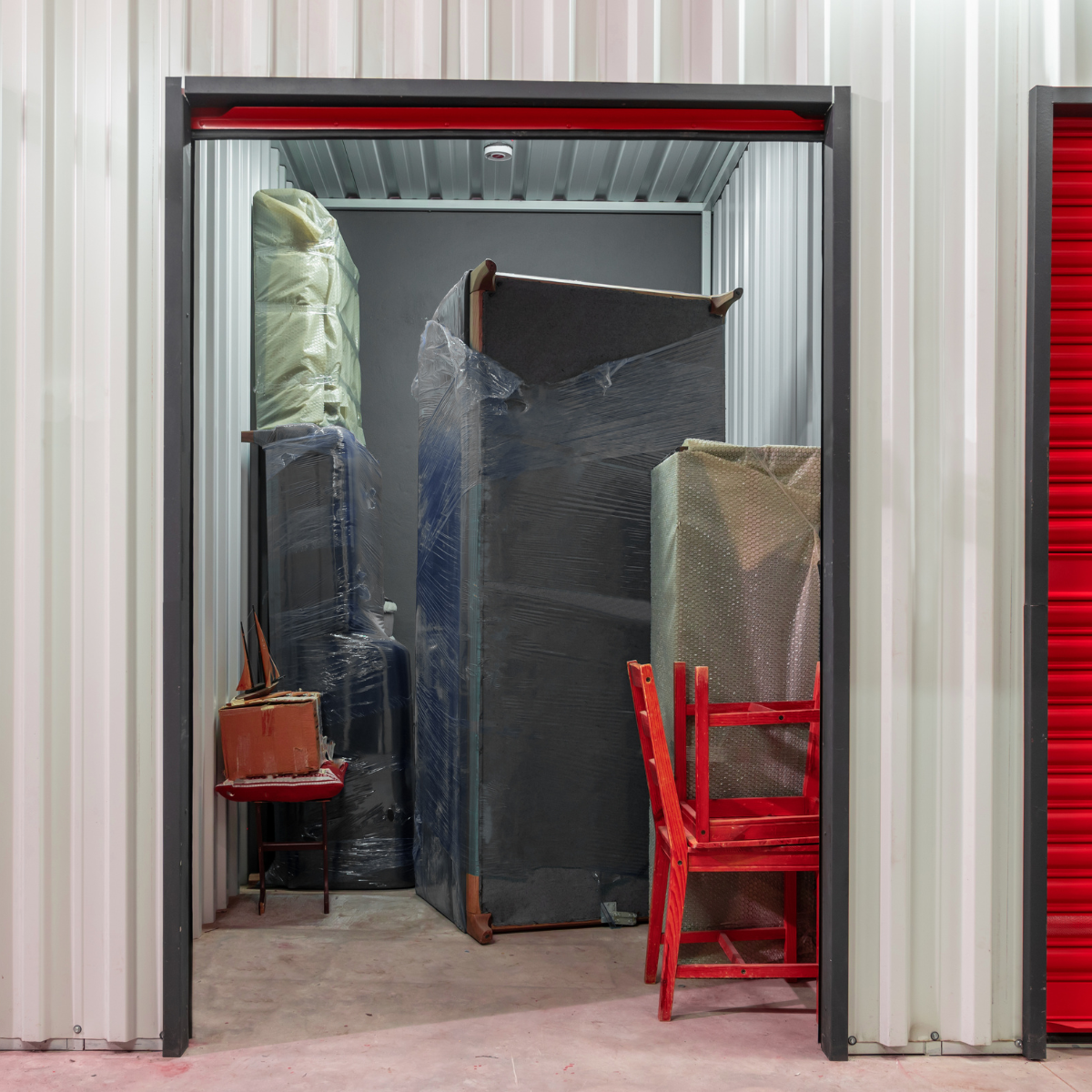
Late August in Calgary and the Lower Mainland has a rhythm to it. Storage tubs wedged into the back of an SUV, a mini fridge in the passenger footwell, somebody's mattress strapped to a roof rack. Across the country, millions of students attend Canadian colleges and universities each year, and August marks the beginning of a major transition for many families. One of them is yours.
Then the house goes quiet, and you walk past a bedroom holding eighteen years of hockey trophies, a captain's bed, three boxes of Lego, and a desk nobody has used since Grade 10.
Most advice about the empty nest transition focuses on how you feel. This guide covers what actually needs to happen in that room: how to protect the keepsakes worth keeping, where the bulky furniture goes, what size storage unit fits the job, and how to convert the space in a way you will still be happy about in two years.
What Empty Nest Storage Solves in the First Year
The strongest argument for a storage unit right now is that you keep every option open while emotions are still fresh.
Decisions made in the first September are often decisions you revisit. Your student may transfer, take a co-op term, move into a furnished shared house, or come home for a summer that stretches into a year. Many young adults also continue to live with or return to their parents during different stages of school, work, and early adulthood, making flexibility especially valuable.
A storage unit acts as a pause button. The furniture leaves your house, the room becomes usable, and the belongings stay intact until your student has the time and headspace to sort through them properly. It also removes a common source of household friction, since your kid keeps ownership of their things while you get the square footage back.
Storing Childhood Keepsakes So They Survive the Next Decade
Keepsakes fail in storage for predictable reasons. Heat speeds up chemical breakdown, damp invites mould, and swings between the two can stress materials over time.
Items such as photographs, documents, textiles, wood, and other sentimental belongings benefit from stable storage conditions with protection from significant temperature and humidity fluctuations.
Practical steps that make a measurable difference:
● Digitize the fragile things first. Digitize the fragile things first. Scanning photo albums, report cards, certificates, and artwork creates a backup while reducing how often the originals need to be handled.
● Use rigid, lidded containers rather than cardboard for anything precious. Cardboard absorbs moisture from the air around it.
● Store paper flat and textiles loosely folded. Jerseys, grad gowns, and baby clothes hold creases permanently when compressed for years.
● Keep keepsake boxes off the floor on a pallet or shelf, and leave a small gap between stacks so air can move.
● Label by person and category, then photograph each open box before you seal it. Future you will not want to open fourteen bins looking for the swim medals.
Why Calgary and Lower Mainland Climates Call for Secure Self Storage
Calgary and the Lower Mainland experience very different weather conditions, but both can present challenges for belongings kept in garages, sheds, basements, or other uncontrolled spaces.
The Lower Mainland's damp climate can expose stored belongings to prolonged moisture, making proper packing and stable storage conditions particularly important for fabrics, paper, wood, and other moisture-sensitive items.
Calgary's cold winters, dry conditions, and rapid temperature changes can create a different challenge. Repeated temperature and humidity fluctuations can be hard on materials such as wood, paper, leather, and photographs.
A climate-controlled unit helps provide more stable storage conditions in both climates, making it a valuable option for sensitive belongings made from paper, fabric, leather, wood, or other materials affected by environmental changes.
Handling Bulky Furniture and School Memorabilia
Sort the room into four piles before you rent anything: goes to campus, goes to storage, stays in the house, and leaves for good. Working in that order keeps you from paying to store items nobody wanted.
The pieces that typically head to storage are the captain's bed or bunk set, the dresser, the desk, a bookshelf, the guitar amp, and the sports gear. Hockey bags and ski equipment take up a surprising share of a Canadian teenager's footprint.
Prep that protects your belongings and your budget:
- Disassemble everything you can. Bed frames, desks, and table legs stack flat, which can significantly reduce the amount of storage space you need.
- Bag the hardware, label it, and tape it to the piece it came from.
- Use a proper mattress storage bag, and make sure the mattress is clean and completely dry before covering it.
- Clean sports equipment and let it dry fully. Damp pads sealed in a bag for eight months are a problem you will smell immediately.
- Load bulky items first and stack vertically, leaving a narrow aisle so you can reach the back without unloading everything.
Choosing the Right Unit Size for Empty Nest Storage
One bedroom rarely needs a large unit. Our storage unit size guide breaks it down, and here is how a typical childhood bedroom maps onto it:
● 5x5: Closet-sized. Holds seasonal bins, two to four small furniture pieces, and a twin mattress set. The size most families land on for student storage between semesters.
● 5x10: Fits a mattress set up to queen, a small sofa, side tables, and a good stack of totes. Suits a full bedroom with a desk and dresser.
● 10x10: Holds a complete bedroom set plus living room furniture and 10 to 15 boxes. Sensible when you are clearing two kids' rooms at once. If you're unsure which size you need, Maple Leaf Self Storage's experienced team can review what you're planning to store and help you choose a unit that fits without paying for unnecessary space.
University Student Storage Between Semesters
The flow reverses in April. Residences close, leases end, co-op terms send students to another city, and everything needs somewhere to go for four months.
For some families, university student storage between semesters can be more convenient than transporting furniture, boxes, and school supplies back and forth each year. A small storage unit can keep those belongings together and ready for the student's next residence, apartment, or school term.
Planning ahead for the spring move-out period can also make the transition easier, particularly when many students in the same city are moving at once.
Extra Room Ideas Worth the Renovation
Once the room is empty, resist the urge to fill it the same weekend. Live with the blank space for a week and pay attention to what your household is short on.
The conversions that get used most:
● Home office. Check outlet placement and natural light first. A bedroom with one window and a single outlet may need a few practical upgrades before becoming a comfortable full-time workspace.
● Home gym. Measure ceiling height for anything overhead and think about the floor below. Ground level and basement rooms may be better suited to heavier equipment than upper-level bedrooms.
● Guest room hybrid. A daybed or wall bed keeps the room useful daily while giving your student somewhere to sleep at Reading Week and over the holidays.
● Studio or hobby room. Sewing, music, painting, and other hobbies all benefit from a door that closes on an unfinished project.
Whatever you choose, keep one closet or a set of shelves for your student's current-use belongings. Handing them a room with zero footprint sends a message you probably do not intend.
Getting the Timing Right This Fall
The transition goes smoothest when the storage step happens early. Sort the room the same week your student leaves while the piles still make sense, box the keepsakes with climate in mind, move the furniture into a secure unit, and live with the empty room for a month before you spend money on it.
Maple Leaf Self Storage helps families across Greater Vancouver and Calgary navigate changing storage needs, with clean, secure storage facilities, flexible options, and packing supplies available to make the transition easier. Our residential storage units offer clean, secure facilities, flexible month to month terms, and packing supplies on site.
Ready to reclaim that room? Contact our storage experts for a consultation. Our knowledgeable team can help assess what you're storing, recommend an appropriate unit size, and explain the storage options available for belongings that need extra protection.
Whether you're storing childhood keepsakes, bedroom furniture, school memorabilia, or belongings between university semesters, Maple Leaf Self Storage can help you find the right solution for this next stage.
Maple Leaf Self Storage - Blogs
Categories